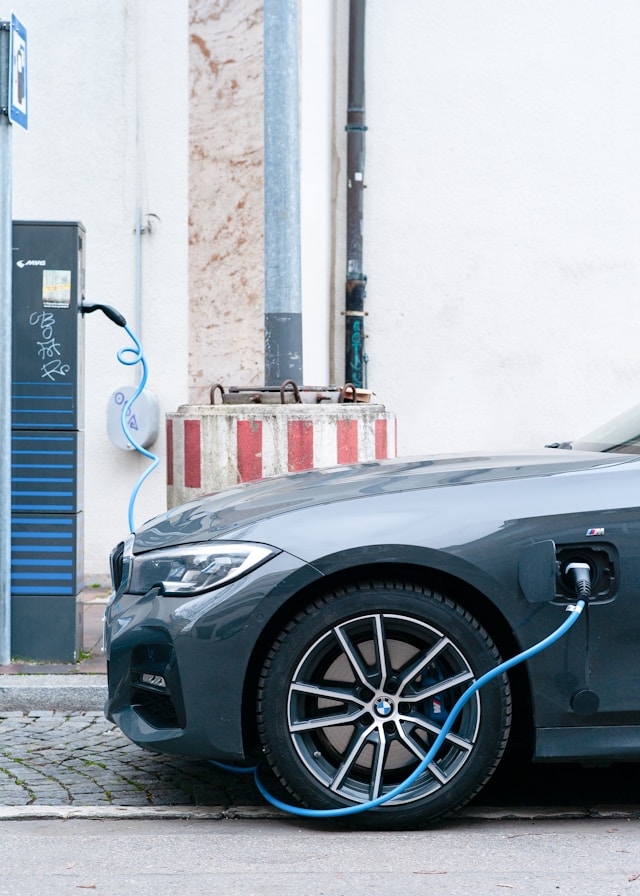
Introduction
Electric vehicles (EVs) are more than just a modern automotive trend—they represent a critical shift toward sustainable transportation. With growing concerns about climate change, air pollution, and fossil fuel dependency, EVs offer a cleaner alternative to traditional gasoline-powered cars. The environmental benefits of electric vehicles extend beyond reduced tailpipe emissions, influencing energy use, urban air quality, and the overall carbon footprint of transportation systems.
In 2026, as EV adoption accelerates worldwide, understanding these environmental benefits is crucial for consumers, policymakers, and businesses aiming to support a greener future.
Reduction of Greenhouse Gas Emissions
One of the most significant environmental advantages of electric vehicles is their ability to reduce greenhouse gas emissions. Traditional internal combustion engine vehicles burn gasoline or diesel, releasing carbon dioxide (CO2), methane, and other greenhouse gases into the atmosphere. These emissions contribute directly to global warming and climate change.
Electric vehicles, by contrast, produce zero tailpipe emissions. When powered by renewable energy sources such as wind, solar, or hydropower, EVs can operate with nearly no carbon footprint, making them a key solution for reducing national and global emissions. Even in regions where electricity is generated from fossil fuels, EVs typically result in lower overall emissions compared to gasoline cars due to the higher efficiency of electric motors.
Improved Urban Air Quality
Air pollution in cities is a major health concern, contributing to respiratory illnesses, cardiovascular disease, and premature death. Gasoline and diesel vehicles are significant contributors to urban air pollution, emitting nitrogen oxides (NOx), particulate matter (PM), and volatile organic compounds (VOCs).
Electric vehicles produce no tailpipe pollutants, directly improving air quality in densely populated areas. Widespread adoption of EVs can significantly reduce smog and particulate pollution, enhancing public health and quality of life in urban environments. Cleaner air also reduces the societal costs associated with healthcare and environmental cleanup.
Energy Efficiency and Reduced Fuel Consumption
Electric motors are inherently more efficient than internal combustion engines. While gasoline engines typically convert only 20–30% of fuel energy into usable motion, electric motors convert about 85–90% of electrical energy into propulsion. This efficiency means EVs require less energy to travel the same distance, reducing overall energy consumption.
Additionally, the ability to charge EVs using renewable electricity further decreases reliance on fossil fuels. As more electricity grids integrate solar, wind, and other clean energy sources, the environmental benefits of EVs will increase, supporting global decarbonization goals.
Support for Renewable Energy Integration
Electric vehicles can act as flexible energy consumers and storage solutions within the power grid. Vehicle-to-Grid (V2G) technology allows EV batteries to store excess renewable energy during periods of high production and feed it back into the grid when demand is high.
This integration supports the efficient use of renewable energy, reduces the need for fossil fuel-based power generation, and helps stabilize electrical grids. In the future, EVs may not only reduce transportation emissions but also actively contribute to cleaner energy systems.
Lower Noise Pollution
Electric vehicles are quieter than traditional gas-powered cars, reducing noise pollution in urban areas. Lower noise levels improve quality of life, decrease stress, and create safer environments for pedestrians and cyclists. While this benefit is often overlooked, it contributes significantly to healthier, more livable cities.
Sustainable Materials and Manufacturing Improvements
As EV technology evolves, manufacturers are focusing on sustainability across the entire production process. Advances in battery recycling, use of recycled metals, and responsible sourcing of raw materials reduce the environmental impact of vehicle manufacturing. These efforts help minimize the carbon footprint of EV production and make the entire lifecycle of electric vehicles more environmentally friendly.
Impact on Global Fossil Fuel Demand
By replacing gasoline and diesel vehicles, EVs reduce the global demand for fossil fuels. Lower oil consumption reduces extraction-related environmental damage, such as oil spills and habitat disruption, and decreases greenhouse gas emissions associated with fuel production and transportation. Over time, a transition to EVs can significantly reduce global dependence on oil, contributing to energy security and environmental protection.
Long-Term Climate Change Mitigation
The widespread adoption of electric vehicles contributes to long-term climate change mitigation. By replacing high-emission vehicles with cleaner alternatives, societies can significantly reduce cumulative greenhouse gas emissions over decades. Combined with renewable energy adoption, sustainable urban planning, and energy efficiency measures, EVs are a key component in achieving international climate goals, such as the Paris Agreement targets.
Challenges and Considerations
While EVs offer clear environmental benefits, there are challenges to consider. Battery production requires energy and raw materials, including lithium, cobalt, and nickel, which have environmental and ethical implications. However, advances in battery recycling, alternative chemistries, and sustainable sourcing practices are helping mitigate these concerns.
Charging with electricity from fossil-fuel-heavy grids also reduces some environmental advantages, but as renewable energy adoption grows, the carbon footprint of EV operation continues to shrink. Proper lifecycle management and responsible energy sourcing are essential to maximizing the environmental benefits of electric vehicles.
Conclusion
Electric vehicles provide substantial environmental benefits, including reduced greenhouse gas emissions, improved air quality, increased energy efficiency, and lower noise pollution. As battery technology improves and renewable energy integration expands, the positive impact of EVs will continue to grow.
In 2026 and beyond, electric vehicles are not just a sustainable alternative—they are a vital tool in the global effort to combat climate change, protect public health, and create cleaner, more livable cities. By supporting EV adoption, consumers, governments, and businesses contribute to a more sustainable and environmentally responsible future.