Introduction
In today’s competitive business landscape, credibility is one of the most valuable assets a brand can possess. Consumers, investors, and partners are more likely to trust a company that is recognized and endorsed by reputable media outlets. Media coverage—through news articles, interviews, press releases, or feature stories—serves as a powerful tool to enhance brand credibility, positioning businesses as authoritative, trustworthy, and professional.
By strategically leveraging media attention, companies can not only reach a wider audience but also strengthen their reputation, influence public perception, and build lasting relationships with stakeholders.
Why Media Coverage Matters for Credibility
Media coverage carries inherent authority because it comes from third-party sources that are perceived as impartial. Unlike advertising, which is paid and promotional in nature, editorial coverage signals trustworthiness to the audience. When a brand is featured in respected publications, it gains:
- Validation: Coverage by credible media validates the company’s products, services, or expertise.
- Visibility: Media exposure introduces the brand to new audiences and markets.
- Reputation Enhancement: Positive stories help shape a favorable public perception.
- Competitive Advantage: Brands with strong media presence are seen as leaders in their industry.
These benefits combine to increase consumer confidence and make stakeholders more likely to engage with the brand.
Types of Media Coverage That Boost Credibility
Several forms of media coverage are particularly effective at enhancing brand credibility:
- Press Releases
Press releases announce significant milestones, such as product launches, funding rounds, partnerships, or awards. When picked up by reputable outlets, press releases can amplify brand visibility and provide third-party validation. - Feature Articles and Interviews
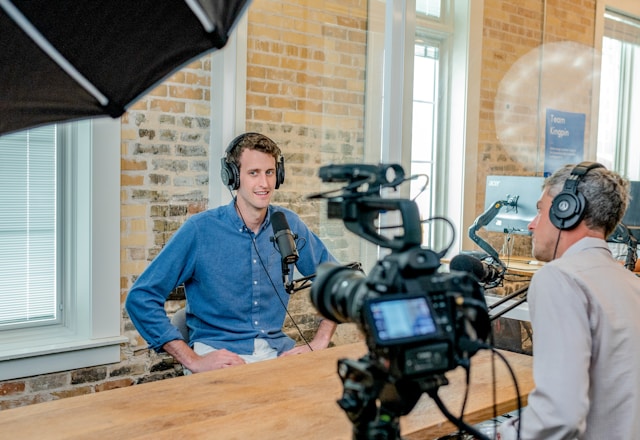
In-depth articles and interviews offer a platform for brands to share expertise, insights, and thought leadership. Being quoted or profiled by respected journalists demonstrates authority and builds trust with audiences. - Industry Reports and Expert Mentions
Being referenced in industry research, whitepapers, or expert roundups positions a brand as a reliable source of knowledge and enhances credibility within its sector. - Media Partnerships and Sponsored Content
Collaborating with trusted media outlets to create sponsored content or co-branded campaigns can increase exposure while maintaining the association with authoritative sources.
Building Credibility Through Consistent Coverage
Consistency is key to sustaining credibility. Occasional media mentions may provide temporary visibility, but regular coverage reinforces the perception of reliability and authority. Businesses can achieve this by:
- Establishing relationships with journalists and editors
- Sharing timely news and updates relevant to their industry
- Participating in events, webinars, and thought leadership opportunities
- Engaging with digital platforms where media content is shared
Consistent exposure ensures that the brand remains top-of-mind, reinforcing trust and professionalism over time.
Leveraging Media Coverage Across Channels
Media coverage extends beyond the initial publication. Brands can maximize its impact by sharing coverage across multiple channels, including:
- Website: Featuring articles and mentions in a “Media” or “Press” section demonstrates authority to visitors.
- Social Media: Sharing media features on platforms like LinkedIn, Twitter, and Instagram amplifies reach and engages followers.
- Email Marketing: Highlighting media coverage in newsletters builds trust with existing customers and prospects.
- Investor Relations: Positive media attention strengthens credibility with current and potential investors.
By repurposing media coverage strategically, brands can enhance credibility across different audiences and touchpoints.
The Role of Authenticity in Media Coverage
For media coverage to truly boost credibility, it must be authentic and newsworthy. Journalists and readers are quick to identify content that is overly promotional or insincere. Authenticity can be achieved through:
- Transparent communication about achievements and challenges
- Demonstrating social responsibility and ethical practices
- Providing factual, verifiable information
- Sharing genuine customer success stories and testimonials
Authentic coverage reinforces trust and positions the brand as honest, reliable, and expert in its field.
Measuring the Impact of Media Coverage
To understand the effectiveness of media coverage, businesses should track key metrics:
- Reach and Impressions: How many people saw the coverage?
- Engagement: Social shares, comments, and interactions indicate audience response.
- Backlinks and SEO Impact: Media coverage can improve search engine visibility through authoritative backlinks.
- Lead Generation: Coverage that drives inquiries, sign-ups, or sales demonstrates tangible business impact.
- Sentiment Analysis: Evaluating whether coverage is positive, neutral, or negative helps refine future PR strategies.
These insights help brands optimize their media outreach and maintain credibility over the long term.
Long-Term Benefits of Media-Driven Credibility
Sustained media coverage provides long-term advantages for brand growth:
- Establishes the company as a thought leader in its industry
- Builds trust and loyalty among customers and partners
- Enhances brand perception in the eyes of investors and stakeholders
- Supports marketing campaigns with third-party validation
- Strengthens resilience during crises by maintaining a positive reputation
A brand perceived as credible enjoys stronger engagement, higher conversion rates, and better overall market positioning.
Conclusion
Media coverage is a cornerstone of building and maintaining brand credibility. By earning recognition from reputable outlets, sharing authentic stories, and strategically leveraging coverage across channels, businesses can strengthen trust, enhance reputation, and differentiate themselves in competitive markets.
In 2026, as digital platforms and media channels continue to evolve, companies that prioritize consistent, authentic, and well-targeted media engagement will benefit from lasting credibility, increased visibility, and sustainable growth.