Introduction
Battery technology is the backbone of electric vehicles (EVs), determining everything from driving range and charging speed to safety, efficiency, and overall performance. As EV adoption grows worldwide, advancements in battery design, chemistry, and management are transforming electric vehicles into practical, high-performing alternatives to traditional gasoline-powered cars.
In 2026, battery innovation is accelerating, enabling longer ranges, faster charging, better reliability, and more sustainable solutions. These improvements are helping EVs meet the expectations of mainstream consumers while addressing the key challenges that have historically limited adoption.
The Role of Batteries in EV Performance
The battery pack is the heart of every electric vehicle. It stores the energy that powers the motor, supplies electricity to onboard systems, and determines the vehicle’s range and acceleration capabilities. Battery performance directly affects:
- Driving range: The amount of energy stored in a battery determines how far an EV can travel on a single charge.
- Charging time: Battery chemistry and management systems influence how quickly energy can be safely stored.
- Acceleration and power delivery: High-performance batteries provide consistent power to the motor for smooth and responsive acceleration.
- Durability and lifespan: Battery design impacts how long the vehicle maintains optimal performance.
As battery technology improves, EVs become more practical for everyday use, long-distance travel, and high-demand applications like delivery fleets or high-performance vehicles.
Advancements in Battery Chemistry
One of the most significant drivers of EV improvement is battery chemistry. Traditional lithium-ion batteries are being enhanced and supplemented with new technologies that increase energy density, safety, and efficiency.
1. Solid-State Batteries
Solid-state batteries replace the liquid electrolyte in traditional lithium-ion cells with a solid material. This change offers several advantages:
- Higher energy density: Solid-state batteries can store more energy in the same space, extending vehicle range.
- Improved safety: Solid electrolytes are less prone to overheating and thermal runaway, reducing fire risks.
- Faster charging: New solid-state designs allow quicker energy absorption, shortening charging times.
Automakers and battery manufacturers are investing heavily in solid-state development, and early commercial adoption is expected by 2026.
2. Lithium-Iron-Phosphate (LFP) Batteries
LFP batteries are gaining popularity in EVs due to their stability, long lifespan, and lower cost compared to traditional lithium-ion chemistries. While they typically offer slightly lower energy density, advances in cell design are helping close this gap, making LFP batteries suitable for mass-market EVs and urban mobility solutions.
3. Alternative Chemistries
Other chemistries, such as sodium-ion and nickel-rich lithium-ion batteries, are being explored to reduce dependency on scarce materials like cobalt and improve performance in extreme climates. These innovations help manufacturers balance cost, sustainability, and range for various vehicle segments.
Battery Management Systems (BMS)
Advanced battery management systems play a critical role in optimizing EV performance. BMS monitors individual battery cells, manages charge and discharge rates, and maintains optimal temperature levels to ensure safety and efficiency.
Modern BMS features include:
- Predictive algorithms: AI-based systems can forecast battery performance and adjust energy distribution to extend lifespan.
- Thermal management: Liquid cooling or heating systems prevent overheating and maintain consistent performance in extreme temperatures.
- Cell balancing: Ensures uniform energy distribution across all cells, improving reliability and preventing premature degradation.
By carefully managing energy usage, these systems allow EVs to maintain consistent performance even under heavy loads or extreme conditions.
Faster Charging and Improved Energy Density
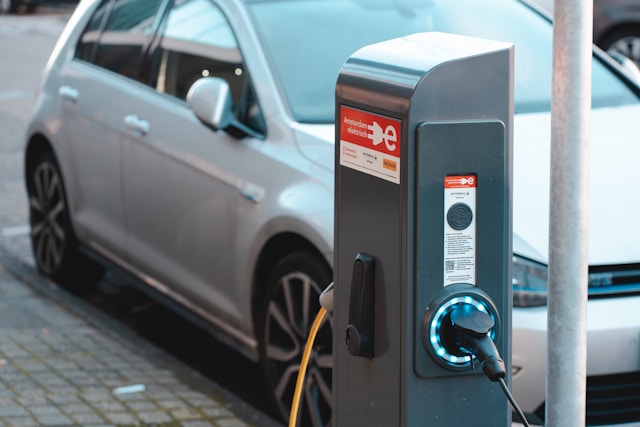
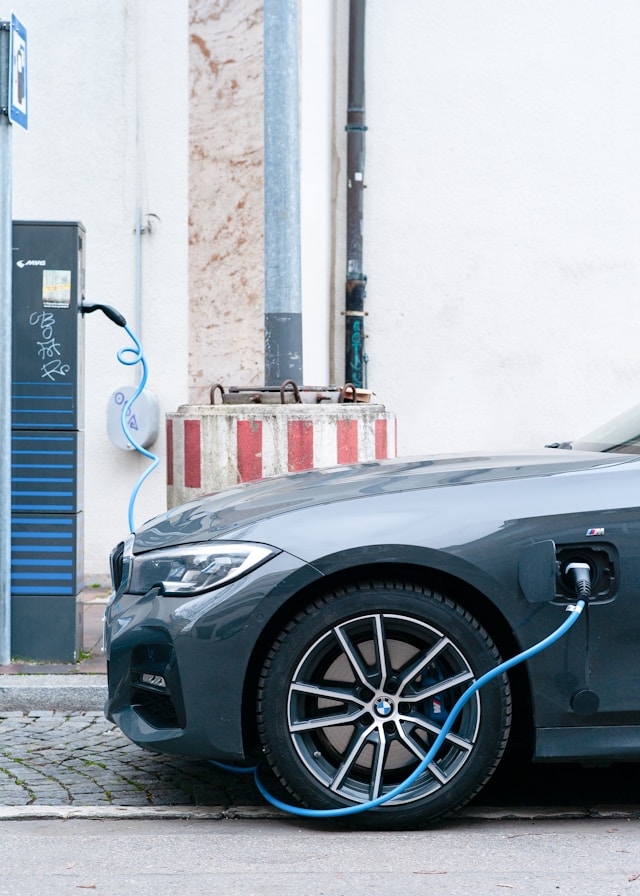
Battery innovations are also driving faster charging capabilities. Higher energy density cells, coupled with intelligent thermal management, allow EVs to accept higher charging currents safely. Ultra-fast chargers can now deliver hundreds of miles of range in under 30 minutes, making long-distance travel more feasible and reducing “range anxiety.”
Energy density improvements mean that EVs can store more energy without increasing battery size or weight, resulting in lighter, more efficient vehicles with longer range. This directly impacts both consumer satisfaction and overall vehicle performance.
Durability and Lifecycle Improvements
Battery longevity is a key factor for EV adoption. Modern battery technologies, combined with effective BMS, are extending the usable lifespan of EV batteries. Many manufacturers now offer warranties of 8–10 years or more, giving buyers confidence in their long-term investment.
Advancements in battery recycling and second-life applications—such as repurposing old EV batteries for energy storage—also contribute to sustainability and cost efficiency, making EVs more attractive to environmentally conscious consumers.
Integration with Vehicle Systems
Improved battery performance is enhancing overall EV dynamics. High-output batteries provide better acceleration, smoother torque delivery, and improved regenerative braking efficiency. Vehicles can deliver performance comparable to or exceeding that of traditional sports cars while maintaining energy efficiency.
Battery improvements also support integration with advanced driver-assist systems, infotainment, climate control, and smart vehicle connectivity, enabling EVs to serve as platforms for sophisticated technology features.
Sustainability and Resource Efficiency
The latest battery technologies are increasingly focused on sustainability. Manufacturers are reducing reliance on rare or environmentally sensitive materials, improving recyclability, and optimizing energy use in production. These innovations help minimize the environmental impact of EV production and operation, making electric vehicles an environmentally responsible choice.
Conclusion
Battery technology is at the forefront of improving electric vehicle performance. Advances in chemistry, energy density, charging speed, management systems, durability, and sustainability are transforming EVs into reliable, efficient, and high-performing alternatives to gasoline vehicles.
In 2026, the combination of solid-state, LFP, and alternative battery chemistries, along with intelligent BMS and faster charging capabilities, will make electric vehicles more practical, accessible, and appealing to a wide range of consumers. As batteries continue to improve, EVs will not only match traditional cars in convenience and performance but surpass them in efficiency, safety, and sustainability.
Electric vehicles of the future will benefit directly from these innovations, making battery technology a central driver of the ongoing transformation of global transportation.