Introduction
Choosing between an electric vehicle (EV) and a traditional gasoline‑powered car is one of the biggest decisions prospective car buyers face today. With electric vehicles rapidly gaining popularity, many new buyers want to understand how costs differ between the two options. The decision is no longer just about environmental impact—it’s about total cost of ownership, long‑term savings, maintenance, fuel or energy expenses, resale value, insurance, and even incentives offered by governments and manufacturers.
This article breaks down the key cost factors so you can make an informed choice when purchasing your next vehicle.
Initial Purchase Price
The most obvious cost difference for new buyers is the initial purchase price. Traditional gas cars have long been more affordable up front because the technology is mature, production costs are well optimized, and supply chains are established. Entry‑level gas cars tend to have lower sticker prices, which makes them attractive for buyers on tighter budgets.
Electric vehicles, on the other hand, have historically carried higher upfront costs. A significant portion of this cost comes from the battery pack, which is one of the most expensive components of an EV. Although battery costs have decreased significantly over the past decade, EVs still tend to be priced above comparable gas cars at the entry level.
However, this cost gap is shrinking each year. Improved battery technologies, greater production scale, and competition among EV manufacturers are driving prices down. Today, many electric models are priced competitively with mid‑range gas vehicles, and some affordable EVs now exist that rival mainstream gas‑powered options.
Government Incentives and Rebates
Another important consideration for new buyers is government incentives. Many countries and regions offer financial incentives to encourage electric vehicle adoption. These can include tax credits, rebates, reduced registration fees, and exemptions from certain taxes.
For example, buyers of qualifying EVs in some regions may receive direct discounts on the purchase price, lowering the effective cost of the vehicle. Other programs may provide incentives for installing home charging stations or subsidize charging at public stations.
While these incentives vary widely by country and region, they often make electric vehicles significantly more affordable for new buyers. In many cases, government rebates can effectively offset a substantial portion of the EV price premium.
Gas cars generally do not receive similar incentives. In fact, in some markets, they may be subject to higher taxes or fees tied to emissions standards, which can make them more expensive over time.
Fuel vs. Electricity Costs
Fuel and energy costs are an ongoing expense that every car owner must consider. Gasoline prices can be volatile, influenced by global oil markets, geopolitical events, and seasonal demand. Over the life of the vehicle, fuel can represent a large portion of ownership expenses for traditional gas cars.
Electric vehicles use electricity to charge their batteries, and the cost per mile for electric energy is typically lower than gasoline on a comparable basis. The price of electricity tends to be more stable and predictable than fuel prices, which helps EV owners plan their monthly transportation expenses with greater certainty.
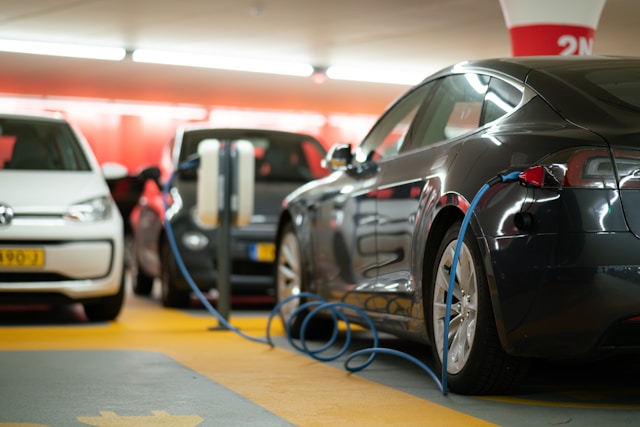
Charging at home is usually the most cost‑effective option for EV owners, especially if charging is done overnight when utility rates are often lower. Some EV owners also take advantage of public charging stations, and as infrastructure continues to expand, fast‑charging networks are making long‑distance travel more convenient. However, public charging may come with higher fees than home charging, so evaluating charging habits and local rates is important when estimating long‑term EV costs.
Maintenance and Repair Costs
One of the most compelling financial advantages of electric vehicles is lower maintenance requirements. Gas cars have complex internal combustion engines with multiple moving parts that need regular servicing—oil changes, timing belt replacements, spark plug replacements, emissions system checks, and more. These routine services add up over time.
Electric vehicles have fewer moving parts, no oil to change, and simpler drivetrain systems. As a result, EV maintenance tends to be less frequent and less costly. Brake systems on EVs also tend to last longer due to regenerative braking, which uses the motor to slow the car and reduces wear on brake pads.
Brake fluid, transmission fluid, and other service costs that are standard for gasoline vehicles may become obsolete or greatly reduced for electric vehicles, saving owners money over the lifespan of the car.
However, EVs do have components that can be expensive to repair if they fail—particularly the battery pack. Replacing an EV battery can be costly, though most manufacturers offer lengthy warranties on battery health to provide peace of mind for buyers. Battery costs are also trending downward as new technologies and recycling systems improve.
Insurance Costs
Insurance is another ongoing expense that both EV owners and gas car owners must consider. In many markets, electric vehicles can cost slightly more to insure than comparable gas cars. The reasons vary, but may include higher repair costs for body components, specialized parts, and battery systems.
That said, insurance premiums depend on many factors including driving history, model safety ratings, theft rates, and regional insurance practices. Some EV models benefit from strong safety ratings, which can help reduce insurance costs. It’s always wise for buyers to compare insurance quotes for specific vehicles before making a purchase decision.
Resale Value and Depreciation
Depreciation is an important long‑term cost factor that many buyers overlook. Traditionally, gasoline vehicles have a fairly predictable depreciation curve, losing value steadily over time. Electric vehicles once suffered from steeper depreciation due to concerns about battery longevity and rapidly evolving technology.
Today, this trend is shifting. As batteries become more reliable and awareness of EV performance grows, many electric models are holding their value better than expected. Strong demand for used EVs, especially in regions with charging infrastructure and incentives, is helping stabilize resale values.
Some gas cars may depreciate faster due to shifting market preferences, especially as emissions regulations tighten and consumers increasingly favor environmentally friendly options. For certain models, resale value for EVs may outperform comparable gas vehicles over a typical ownership period.
Environmental Impact and Indirect Cost Savings
While not always expressed directly in dollars and cents, environmental impact is another cost consideration for many buyers. Electric vehicles produce no tailpipe emissions, reducing air pollution and contributing to cleaner urban environments. Over time, many consumers view this as an indirect financial benefit because cleaner air can correlate with better public health and lower societal costs related to healthcare.
In some regions, EV owners also benefit from reduced tolls, free parking, or access to high‑occupancy vehicle (HOV) lanes—benefits that are not typically available to gas car owners. These perks can translate into time savings and added value for EV buyers.
Convenience and Lifestyle Factors
Cost comparisons are not only about money—they’re also about lifestyle and convenience. Charging an electric vehicle at home means fewer trips to the gas station, which can save time and effort. With improvements in charging speed and the expansion of charging networks, long‑distance travel in EVs is becoming increasingly convenient.
For many buyers, the peace of mind that comes with predictable energy costs, smoother acceleration, quiet operation, and advanced technology features adds value that goes beyond financial calculations.
Making the Right Choice for You
When comparing electric vehicles to gas cars, it’s essential to consider both short‑term and long‑term costs. While traditional gasoline cars may still be cheaper up front in many cases, electric vehicles often offer savings over time through lower fuel costs, reduced maintenance, government incentives, and strong resale value.
Your personal driving habits, local fuel and electricity prices, charging infrastructure, and available incentives will all influence which option is more cost‑effective for your lifestyle. Evaluating total cost of ownership—rather than just the sticker price—will provide a clearer picture of the financial impact of your decision.
Conclusion
Electric vehicles and gas cars each have distinct cost profiles, and the best choice depends on what matters most to you as a buyer. Gas vehicles typically offer lower upfront prices and well‑established service networks, while electric vehicles deliver lower operating costs, reduced maintenance, and potential long‑term savings.
As EV technology advances and charging infrastructure continues to grow, the total cost benefits of electric vehicles are becoming more compelling for new buyers. By carefully evaluating purchase price, fuel or charging costs, maintenance, insurance, resale value, incentives, and lifestyle preferences, you can make a smart decision that balances both financial and practical considerations.
Ultimately, the future of transportation may lean toward electric mobility, but the right choice for you will always depend on your individual needs, budget, and long‑term goals.