The global transition to electric mobility has reached a critical bottleneck in 2026: the “urban divide.” While homeowners with private driveways have enjoyed the seamless convenience of overnight charging for years, the millions of apartment dwellers and city residents who rely on street parking have faced a much steeper climb. However, the current year marks a turning point as “invisible” infrastructure and ultra-fast urban hubs begin to dismantle the barriers to city-based EV ownership. Solving the urban gap is no longer about finding more space for bulky pedestals; it is about integrating power into the existing fabric of the city.
The Rise of Ubiquitous Curbside Charging
The most significant breakthrough in 2026 is the widespread conversion of existing street furniture into functional charging points. Leading cities across Europe and North America have moved past pilot projects to full-scale deployments of lamp-post charging. By utilizing the existing electrical circuitry of street lights, municipalities are adding thousands of charging points without digging up sidewalks or creating new physical clutter.
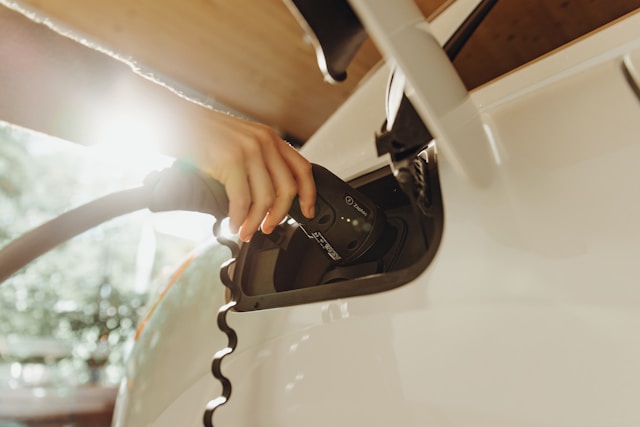
These “stealth” chargers are designed for the “dwell time” model—providing low-speed, Level 2 charging overnight. For a resident parked on a typical city street, the charging cable simply plugs into a flush-mounted socket on the nearest lamp post. This approach effectively mirrors the home-charging experience for those without a garage, ensuring that a full battery is available every morning without a dedicated trip to a charging station.
Ultra-Fast Urban Hubs: The Petrol Station of the Future
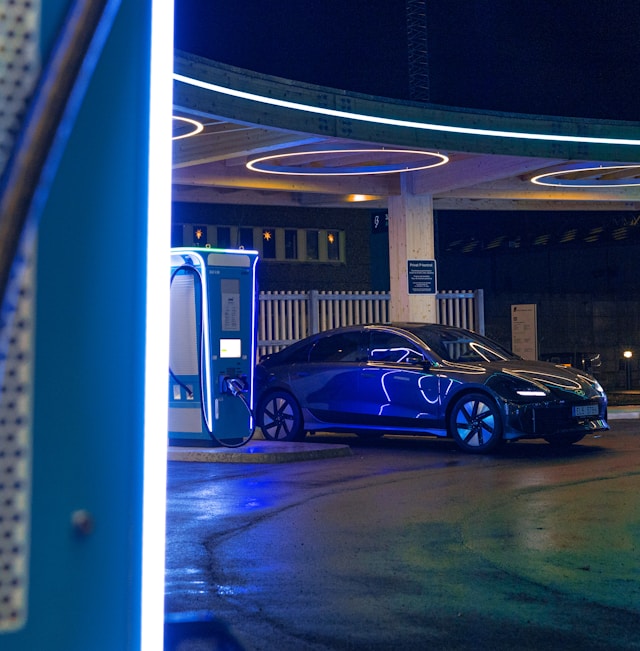
While curbside charging handles the overnight demand, 2026 has seen the emergence of “Urban Charging Hubs” to support high-intensity users and those in a hurry. These are the modern successors to the traditional petrol station, located in high-density areas like supermarket parking lots, transport interchanges, and repurposed urban brownfields.
Unlike the slow street-side chargers, these hubs are equipped with 150kW to 400kW ultra-rapid units. Leveraging the latest power management software and onsite battery storage, these hubs can add 300 kilometers of range in roughly 15 minutes. This “snack charging” model fits perfectly into an urban routine—allowing a driver to fully recharge while doing a weekly grocery shop or grabbing a quick lunch. The integration of high-end cafes, co-working spaces, and parcel lockers into these hubs is turning them into vital community nodes rather than just utility stops.
Wireless and Inductive Charging: The Next Frontier
The year 2026 also marks the commercial debut of wireless inductive charging in several “Smart City” zones. This technology removes the need for physical cables entirely, using electromagnetic coils embedded beneath the asphalt to transfer power to a receiver on the vehicle’s undercarriage.
Initial deployments are focusing on high-turnover areas such as taxi ranks and bus stops. A taxi waiting in a queue at a major train station can now “trickle charge” simply by sitting over a pad, ensuring the vehicle remains topped up throughout a shift without the driver ever leaving the car. As the cost of this technology continues to drop, we are seeing the first residential streets equipped with wireless pads, offering the ultimate in “invisible” infrastructure where the act of parking becomes the act of charging.
Micro-Mobility and the “Last Mile” Integration
Solving the urban gap in 2026 is not just about cars. Cities are increasingly viewing charging infrastructure through a multimodal lens. Modern charging hubs are now being designed with dedicated sections for e-bikes, e-scooters, and micro-cars.
By centralizing the power needs of all electric transport types, cities are reducing the strain on the grid and making it easier for residents to switch between different modes of transport. These “micro-hubs” often feature battery-swapping kiosks for delivery fleets, ensuring that the heavy traffic of urban logistics can move to zero-emission platforms without the downtime associated with traditional cable charging. This holistic approach ensures that the infrastructure serves the entire urban ecosystem, not just private vehicle owners.
Grid Resilience and AI-Driven Load Management
One of the primary fears of urban electrification was the potential for local grid overload. In 2026, this is being managed through sophisticated AI-driven load balancing. Rather than every car drawing maximum power simultaneously, smart systems “orchestrate” the flow of electricity based on real-time grid demand and the departure times of the drivers.
If a hundred cars are plugged into a single city block overnight, the AI ensures that they are all ready by 7:00 AM while smoothing out the spikes in energy usage. This “Smart Charging” is often paired with Vehicle-to-Grid (V2G) capabilities, where the parked fleet actually supports the city grid during peak evening hours. In 2026, the urban car is no longer just a consumer of energy; it is a vital part of the city’s energy storage infrastructure.
Inclusive Policy and the LEVI Framework
The final piece of the urban puzzle is policy. 2026 has seen a surge in “Local Electric Vehicle Infrastructure” (LEVI) funding and similar global initiatives that prioritize equitable access. Governments are mandating that charging points be distributed fairly across all neighborhoods, not just affluent areas.
New building regulations in most major cities now require “EV-ready” infrastructure for all new residential developments, and “Right to Charge” laws are empowering tenants to demand the installation of charging points in shared parking areas. This legislative push ensures that as internal combustion is phased out, no urban resident is left behind due to their housing situation.
Conclusion: A City That Powers Itself
The urban charging gap, once thought to be the “Achilles’ heel” of the EV movement, is being solved through a combination of engineering ingenuity and strategic planning. In 2026, the city is becoming a self-powering environment where charging is integrated, invisible, and accessible to everyone. By turning streets into power sources and petrol stations into community hubs, we are creating a more resilient and sustainable urban landscape. The transition is no longer a challenge for the future; it is a lived reality of the modern, electrified city.