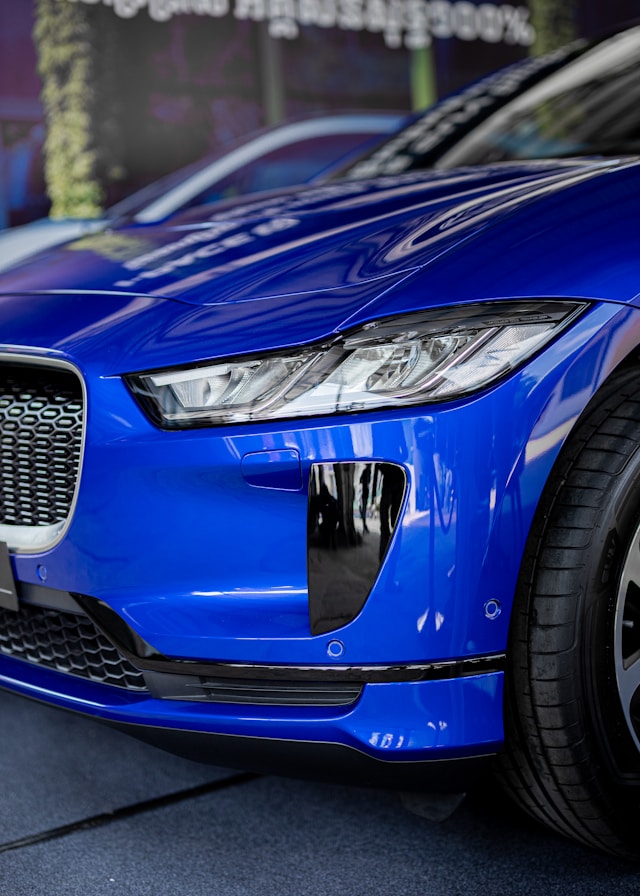
The transportation industry is undergoing one of the most significant transformations in decades. Electric vehicles (EVs), once considered a niche market, are rapidly becoming a mainstream choice for consumers and businesses alike. Driven by technological advancements, environmental concerns, and changing consumer preferences, EVs are reshaping the way we think about mobility. From personal cars to public transport and freight systems, the impact of electric vehicles is far-reaching and set to define the future of transportation.
The Rise of Electric Vehicles
Over the past decade, electric vehicles have seen remarkable growth. According to industry reports, EV sales have been doubling year over year in several markets, with countries like Norway, China, and the United States leading the way. This surge is fueled by several factors, including stricter emissions regulations, government incentives, and growing public awareness about climate change.
Automakers are investing heavily in EV technology, introducing new models that rival traditional internal combustion engine (ICE) vehicles in performance, safety, and comfort. Brands that were once exclusively focused on gasoline-powered cars now offer fully electric versions, signaling a clear shift in the automotive industry’s priorities.
Environmental Impact and Sustainability
One of the most compelling reasons for the rise of electric vehicles is their potential to reduce carbon emissions. Unlike gasoline or diesel cars, EVs produce zero tailpipe emissions, which contributes to cleaner air in urban areas. This is especially important as cities struggle with air pollution, which has been linked to respiratory diseases and other health issues.
Moreover, the sustainability of EVs extends beyond emissions. Advances in battery technology are making it possible to recycle components more effectively, reducing the environmental footprint of vehicle production. Additionally, the integration of renewable energy sources, such as solar and wind, to charge EVs ensures that the environmental benefits are even more significant.
Technological Innovations Driving EV Adoption
Electric vehicles are not just changing the type of fuel used; they are driving innovation across the transportation ecosystem. Battery technology has improved dramatically, with lithium-ion and solid-state batteries offering longer ranges and faster charging times. Some of the latest models can travel over 400 miles on a single charge, removing one of the biggest barriers to adoption: range anxiety.
Charging infrastructure is expanding rapidly as well. Public and private charging stations are becoming more accessible, and innovations such as ultra-fast charging can replenish a battery in under an hour. Smart charging systems allow vehicles to optimize energy usage and even feed excess power back into the grid, contributing to energy efficiency and grid stability.
Autonomous driving technologies are also closely linked to the rise of EVs. Many electric vehicles come equipped with advanced driver-assistance systems, paving the way for fully autonomous vehicles in the future. This combination of electrification and automation promises to redefine mobility, making transportation safer, more efficient, and more environmentally friendly.
Economic Implications and Market Growth
The shift to electric vehicles has profound economic implications. For consumers, EVs often have lower operating costs compared to traditional vehicles due to reduced fuel expenses and fewer moving parts, which means less maintenance. Governments are further encouraging adoption through tax incentives, subsidies, and policies aimed at phasing out gasoline-powered vehicles.
For automakers, the EV market presents both opportunities and challenges. Companies investing early in electric mobility are positioning themselves as leaders in the next generation of transportation. However, the transition requires significant capital investment in research, development, and manufacturing facilities. Supply chains are evolving, particularly in battery production and rare earth materials, creating both competition and collaboration opportunities across industries.
Impact on Urban Mobility and Infrastructure
Electric vehicles are also transforming urban mobility. Cities around the world are adopting EV-friendly policies, including low-emission zones, preferential parking, and dedicated EV lanes. Public transportation is incorporating electric buses, and ride-sharing platforms are increasingly offering electric options, reducing overall emissions and improving air quality.
Infrastructure development is crucial to support this transition. Governments and private companies are investing in charging networks, grid upgrades, and energy storage solutions to ensure that the growing number of EVs can be supported efficiently. These improvements not only benefit electric vehicles but also contribute to a more resilient and sustainable energy ecosystem.
Challenges and Considerations
Despite the rapid adoption of EVs, challenges remain. Battery production relies heavily on lithium, cobalt, and other rare minerals, raising concerns about supply chain sustainability and ethical sourcing. Recycling batteries at scale is still a developing process, and the environmental impact of mining operations cannot be ignored.
Consumer perception is another hurdle. Although EVs have improved significantly in range and affordability, many potential buyers are still cautious about transitioning from traditional vehicles. Education and awareness campaigns are critical to overcoming misconceptions and highlighting the long-term benefits of electric mobility.
The Road Ahead
The future of transportation is undeniably electric. As battery technology improves, charging infrastructure expands, and policy support grows, electric vehicles will continue to play an increasingly central role in global mobility. Beyond cars, electrification is extending to trucks, buses, trains, and even aircraft, signaling a comprehensive shift in how humans move.
Ultimately, electric vehicles represent more than just a technological innovation; they are a pathway to a cleaner, more sustainable, and efficient transportation system. The road ahead may still have obstacles, but the momentum behind EVs suggests that the age of electric mobility is not just on the horizon—it is already here.
The widespread adoption of electric vehicles promises a transformative impact on the environment, the economy, and the way people live and move. As automakers, governments, and consumers continue to embrace this change, the future of transportation is electric, efficient, and exciting.