Introduction
Electric vehicles (EVs) are accelerating their transformation of the automotive industry, and the next five years will be pivotal for technology, infrastructure, market adoption, and consumer experience. As governments worldwide push for cleaner transportation and automakers invest heavily in electrification, 2026–2031 is expected to bring major shifts in how EVs are designed, powered, connected, and integrated into daily life. Below are the most important trends that new buyers, industry watchers, and mobility enthusiasts should watch closely.
1. Major Advances in Battery Technology
Battery technology remains the heart of EV innovation, and breakthroughs in the next few years will address some of the biggest barriers to adoption. Solid‑state batteries—which replace the liquid electrolytes found in traditional lithium‑ion cells—are nearing commercial viability and promise greater energy density, faster charging, and improved safety. These batteries could significantly extend driving range while reducing weight and cost. Meanwhile, emerging chemistries like sodium‑ion and improvements in lithium‑iron‑phosphate (LFP) options will further diversify and optimize battery options across price segments. Such progress will make EVs more attractive and practical for average drivers. (Future of Tech Guide)
2. Ultra‑Fast and Intelligent Charging
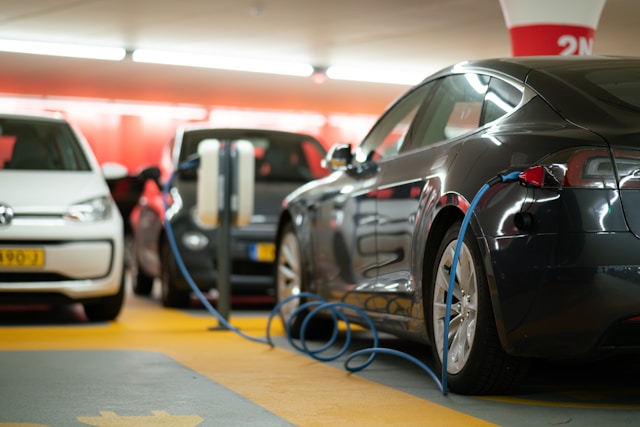
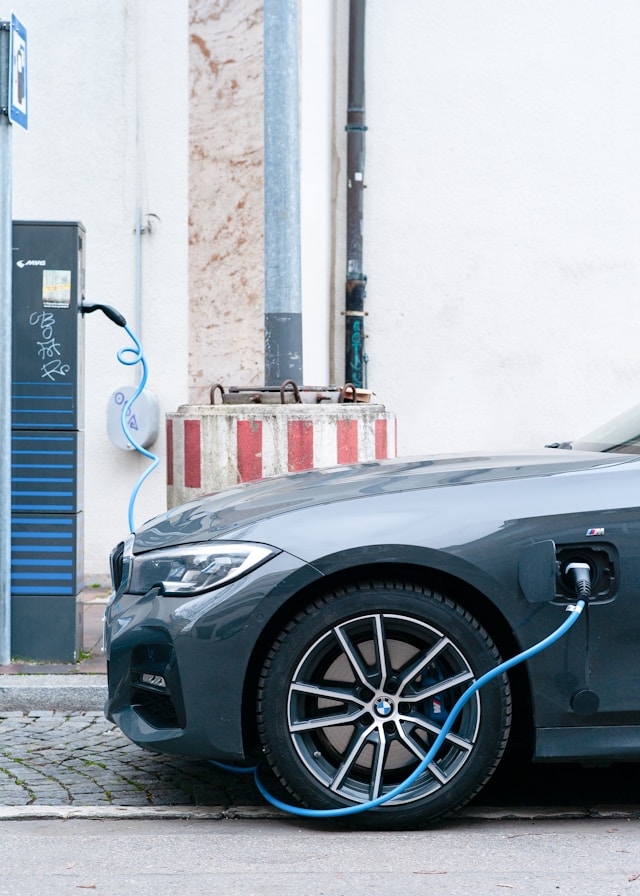
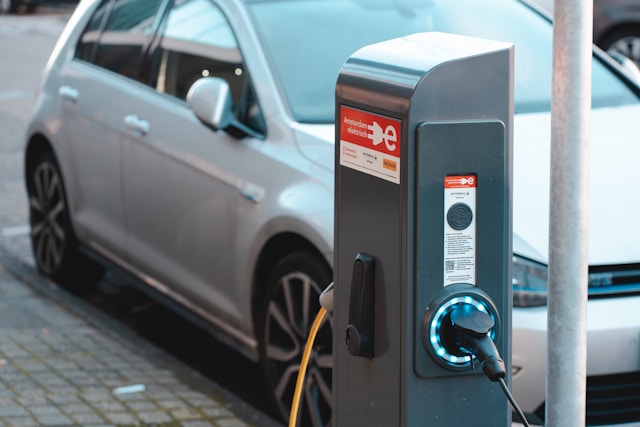
Charging times and infrastructure limitations have long been cited as obstacles to widespread EV adoption, but those challenges are rapidly being addressed. The next few years will see faster DC charging standards become mainstream, with some systems capable of delivering substantial range in under 15–20 minutes. Charging networks will grow and improve with smart, grid‑integrated systems that optimize load, reduce costs, and enhance reliability. This means long‑distance EV travel will become increasingly comparable to refueling a gasoline car in both convenience and speed. (Scarlotte)
3. Expansion of Charging Infrastructure Everywhere
EV adoption depends on more than just the vehicle itself—access to charging infrastructure is equally crucial. Governments and private companies are pouring billions into expanding public charging networks, fast‑charging corridors, and urban charging hubs. This growth will not only reduce range anxiety but also make EV ownership practical even in regions that previously lacked sufficient stations. Investments in home, workplace, and public charging solutions will enable seamless EV use for commuters, commuters and long‑distance drivers alike. (evacad.com)
4. Software‑Defined Vehicles and Connectivity
Electric vehicles are increasingly becoming technology platforms rather than just modes of transport. Software‑defined vehicles (SDVs) allow manufacturers to deliver new features, performance upgrades, and security patches over the air (OTA). These capabilities will grow more sophisticated, enabling personalization, better diagnostics, safety updates, and even new functionalities long after purchase. Connectivity with mobile devices, smart home ecosystems, and cloud services will also improve the overall user experience. (Scarlotte)
5. AI and Energy Management Systems
Artificial intelligence (AI) will play a major role in EV performance and efficiency. AI‑powered energy management systems analyze real‑time driving data, weather conditions, and battery behavior to optimize range and energy usage. These systems can also support predictive maintenance, helping owners avoid costly repairs and prolong battery life. Such intelligent automation will make EVs even more efficient and reliable. (TT CONSULTANTS)
6. Enhanced Autonomous Driving Features
The future of mobility includes automation, and electric vehicles are at the forefront of this revolution. While fully autonomous (Level 5) vehicles may still be a few years away, advanced driver assistance systems (ADAS) and Level 3–4 autonomy are expected to become more widespread by 2030. This includes hands‑free highway driving, advanced parking systems, and early autonomous ride‑hailing services. Companies are already planning commercial robotaxi rollouts and advanced autonomy partnerships that could reshape urban transportation. (Business Insider)
7. Sustainable Production and Circular Economy Practices
As environmental awareness grows, EV manufacturers are extending sustainability beyond tailpipe emissions. Sustainable manufacturing practices focus on using recycled and bio‑derived materials, reducing carbon footprints in production, and designing vehicles for recyclability. Battery recycling and second‑life applications—such as repurposing old EV batteries for energy storage—will become more common, aligning the industry with circular economy principles. (StartUs Insights)
8. Affordability Through Lower Battery Costs
One of the biggest economic barriers for EV buyers has been cost. Over the next five years, battery prices are expected to continue falling as technology improves and production scales up. This will lower the sticker price of electric vehicles, making them more competitive with gasoline cars and increasing accessibility for a broader group of consumers. (leadintelligent.com)
9. New Market Segments and Broader Model Availability
As EV technology matures, the variety of EV models will expand significantly. Automakers are launching new electric SUVs, compact city cars, affordable mass‑market vehicles, and high‑end performance models. This expansion will give consumers more choices and help accelerate adoption across different demographics and driving needs. Some companies are even focusing on specialized vehicles like delivery vans and electric commercial fleets, broadening the impact of electrification. (MarketWatch)
10. Integration With Renewable Energy and Smart Grids
EVs are no longer just vehicles—they are part of larger energy ecosystems. Vehicle‑to‑Grid (V2G) technology allows EV batteries to feed power back into the grid during peak demand, supporting energy stability and even providing potential cost savings for owners. As renewable energy sources like wind and solar become more prevalent, EVs will play an important role in balancing supply and demand, turning transportation into a decentralized energy asset. (atcjapan.com)
Conclusion
The next five years will be transformative for electric vehicles and the automotive industry as a whole. Innovations in battery technology, charging infrastructure, software capabilities, and autonomy will make EVs more convenient, efficient, and appealing to a growing number of consumers. At the same time, sustainability initiatives and economic trends will further drive adoption.
For anyone interested in the future of mobility, 2026–2031 will be a critical period in which electric vehicles move from early adopters to mainstream transportation solutions. The trends outlined here represent not just technological progress—but a fundamental shift in how people move, power their lives, and interact with the world around them.