Introduction
The electric vehicle (EV) industry is rapidly evolving, and 2026 is shaping up to be one of the most exciting years yet for new technologies and breakthroughs. With advancements in battery systems, charging infrastructure, autonomous capabilities, and vehicle design, EVs are poised to become more efficient, practical, and appealing than ever before. These innovations are not just incremental improvements—many are game‑changers that could accelerate global EV adoption and reshape how we think about automotive transportation.
Below we explore the biggest electric vehicle innovations expected to make a major impact in 2026.
1. Ultra‑Fast Charging Capabilities
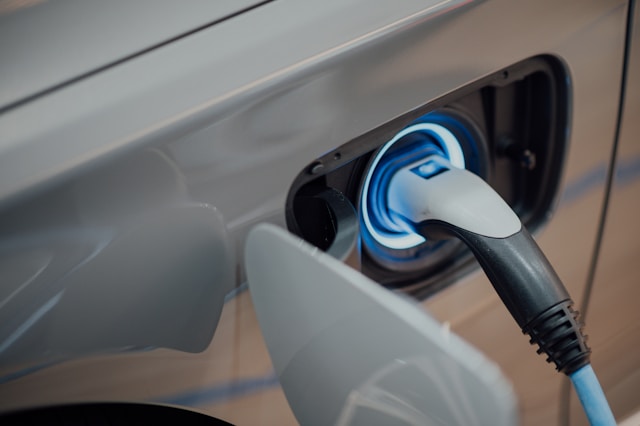
One of the most significant advancements expected in 2026 is ultra‑fast charging technology. Charging speeds are improving dramatically, with some systems now capable of delivering energy levels that reduce charge times to minutes instead of hours. These ultra‑fast charging stations are becoming more common across highways and urban centers, enabling drivers to recharge quickly during long‑distance travel and reducing “range anxiety.” (Premier Petroleum Alternative Energy)
With charging networks expanding and speeds increasing to 400–500 kW and beyond, EV owners will enjoy more convenience and flexibility on the road. This improvement is crucial for making electric travel as seamless as stopping for fuel in a gasoline car. (Premier Petroleum Alternative Energy)
2. Next‑Generation Battery Technologies
Battery innovation continues to be at the heart of EV growth. In 2026, solid‑state batteries, next‑generation chemistries, and other breakthroughs are expected to push the limits of energy density, charging speed, and safety. Solid‑state batteries offer higher energy density, faster charging, and improved safety profiles compared to traditional lithium‑ion cells. Early implementations of these technologies could deliver driving ranges well over 500 miles while cutting charge times significantly. (Electric Car Wiki)
In addition, developments like sodium‑ion batteries are beginning to emerge, offering alternatives that are less dependent on scarce materials and better suited for extreme temperatures. (Live Science)
3. Vehicle‑to‑Grid (V2G) Integration
Vehicle‑to‑Grid (V2G) technology allows EVs not only to draw power from the grid but also to send stored energy back to it when needed. This bi‑directional technology turns an EV into a mobile power asset that can support grid stability during peak demand periods. Drivers could potentially earn savings on electricity bills by participating in energy programs that use their vehicle batteries as distributed storage. (Electric Car Wiki)
V2G integration represents a step toward smarter energy systems and gives EV owners added value beyond transportation.
4. AI‑Enhanced Software and Connectivity
Electric vehicles are becoming more like computers on wheels. Advanced software architectures, often referred to as software‑defined vehicles (SDVs), are transforming EVs into highly connected platforms. These systems enable over‑the‑air updates, continuous performance improvements, and better integration with mobile apps and cloud services. (Interesting Engineering)
AI enhancements will also improve user experiences, such as personalized driver assistance, adaptive energy management, predictive maintenance alerts, and more intuitive infotainment systems. As vehicles become smarter, they will offer seamless integration with digital lifestyles and connected home ecosystems. (Interesting Engineering)
5. Autonomous Driving Advances
Advancements in autonomous driving technologies are expected to continue into 2026. EV manufacturers are incorporating increasingly sophisticated driver‑assist and autonomy systems that can handle complex traffic scenarios. Fully autonomous vehicles, including robotaxis designed for commercial deployment, are also on the horizon, promising new models of mobility and transportation services. (Interesting Engineering)
These systems rely on a combination of AI, lidar, radar, and high‑precision mapping data to navigate safely and efficiently, improving both convenience and safety for drivers and passengers.
6. Expanded EV Model Variety
The EV market in 2026 will see a broader range of vehicle types than ever before. New models—from compact urban EVs and affordable mass‑market options to luxury EVs and high‑performance electric sports cars—are expected to arrive. Manufacturers are also exploring niche categories such as solar‑assisted EVs, which incorporate integrated photovoltaic cells to extend driving range using sunlight. (Wikipedia)
Additionally, next‑generation EVs built on new platforms like BMW’s Neue Klasse or Volvo’s SPA3 are expected to deliver improved range, lower production costs, and enhanced safety features. (Analytics Insight)
7. Advanced Battery Management and Thermal Systems
Battery performance and longevity are critical for EV adoption, especially in extreme climates. New innovations focus on intelligent thermal management and charging control systems that optimize battery performance across temperature ranges. These systems help protect battery health, maintain efficiency in cold environments, and enable faster, safer charging cycles. (arXiv)
Such technologies are becoming increasingly important as EV markets expand in regions with harsh winters or variable climates.
8. Charging Infrastructure Evolution
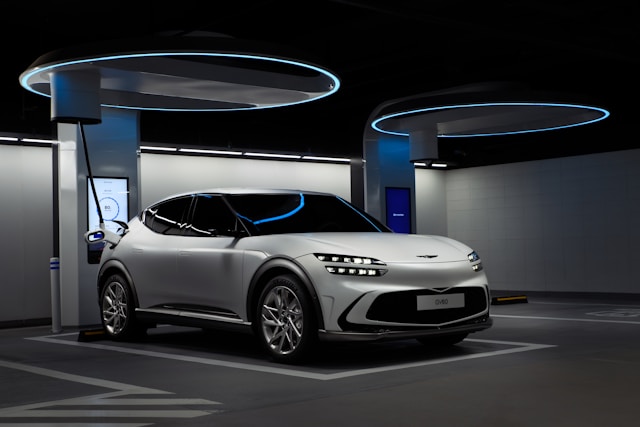
EV charging stations themselves are becoming smarter. In 2026, we expect to see more AI‑optimized networks that manage energy loads, predict usage patterns, and reduce strain on local grids. These systems use intelligent scheduling to determine optimal charging times for each vehicle, balancing electricity demand and reducing costs for drivers. (Premier Petroleum Alternative Energy)
In addition, charging hubs are evolving into service‑oriented destinations that offer amenities and improved user experiences, making EV charging more convenient and enjoyable. (Ekoenergetyka)
9. Sustainable Materials and Manufacturing
As the EV industry matures, manufacturers are placing greater emphasis on sustainability throughout vehicle production. This includes using recycled and bio‑derived materials, reducing reliance on rare earth metals, and improving battery recycling systems. An emerging focus on dedicated battery recycling frameworks promises to mitigate environmental impact and enhance the circular economy for EV components. (The Economic Times)
This shift toward sustainable manufacturing practices will contribute to reduced carbon footprints and more responsible resource use across the EV lifecycle.
10. Integrated Mobility Solutions
Finally, electric vehicles are becoming part of broader integrated mobility systems. This includes seamless connections with public transit, ride‑sharing platforms, and smart city infrastructure. Companies are developing multi‑modal transportation strategies that leverage EV technology to support broader urban planning goals, reduce congestion, and improve accessibility.
In cities where EVs are integrated with autonomous shuttles and public transport networks, residents enjoy a more efficient and connected way to travel without relying on personal car ownership.
Conclusion
The year 2026 marks a major milestone in the evolution of electric vehicles. Breakthroughs in charging speeds, battery chemistry, AI connectivity, autonomous driving, and energy integration are poised to reshape the industry. These innovations are not only improving vehicle performance and convenience but also accelerating the shift toward sustainable transportation.
As EV technology continues to advance, electric vehicles will become more practical, efficient, and appealing to a broader range of drivers. The innovations expected in 2026 signal a future where electric mobility becomes the standard—bringing cleaner, smarter, and more connected transportation for everyone. (Premier Petroleum Alternative Energy)